 SIDlab
Research
Mechanisms of Immunotherapy Response, Resistance, and Disease Control
Why do some patients respond to immunotherapy while others do not? Why do some patients control their disease better than others? We profile tumors and blood longitudinally from patients using cutting-edge technologies to map how immune cells, tertiary lymphoid structures, and the tumor microenvironment change with treatment, shedding light on the biological features that shape patient outcomes.
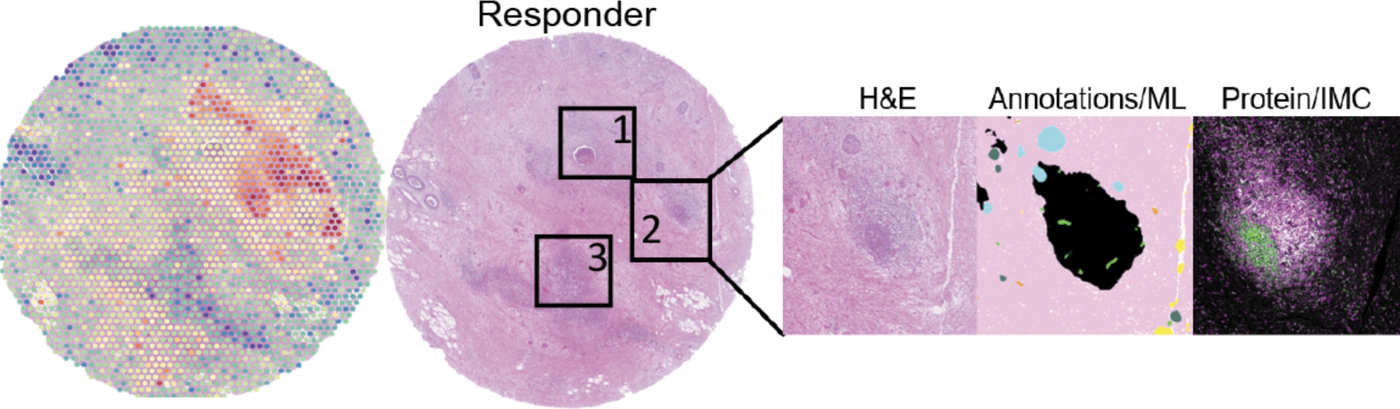
Sidiropoulos DN, Shin SM, Wetzel M, et al. 2025. doi:10.1158/2326-6066.CIR-25-0387
Risk Assessment and Cancer Interception
Can cancer be stopped before it becomes invasive? We study the immune changes that accompany early carcinogenesis, from precursor lesions to high-risk populations, to identify emerging tumor antigens and immune signatures, develop approaches for assessing cancer risk, and test vaccine-based and other strategies for cancer interception.
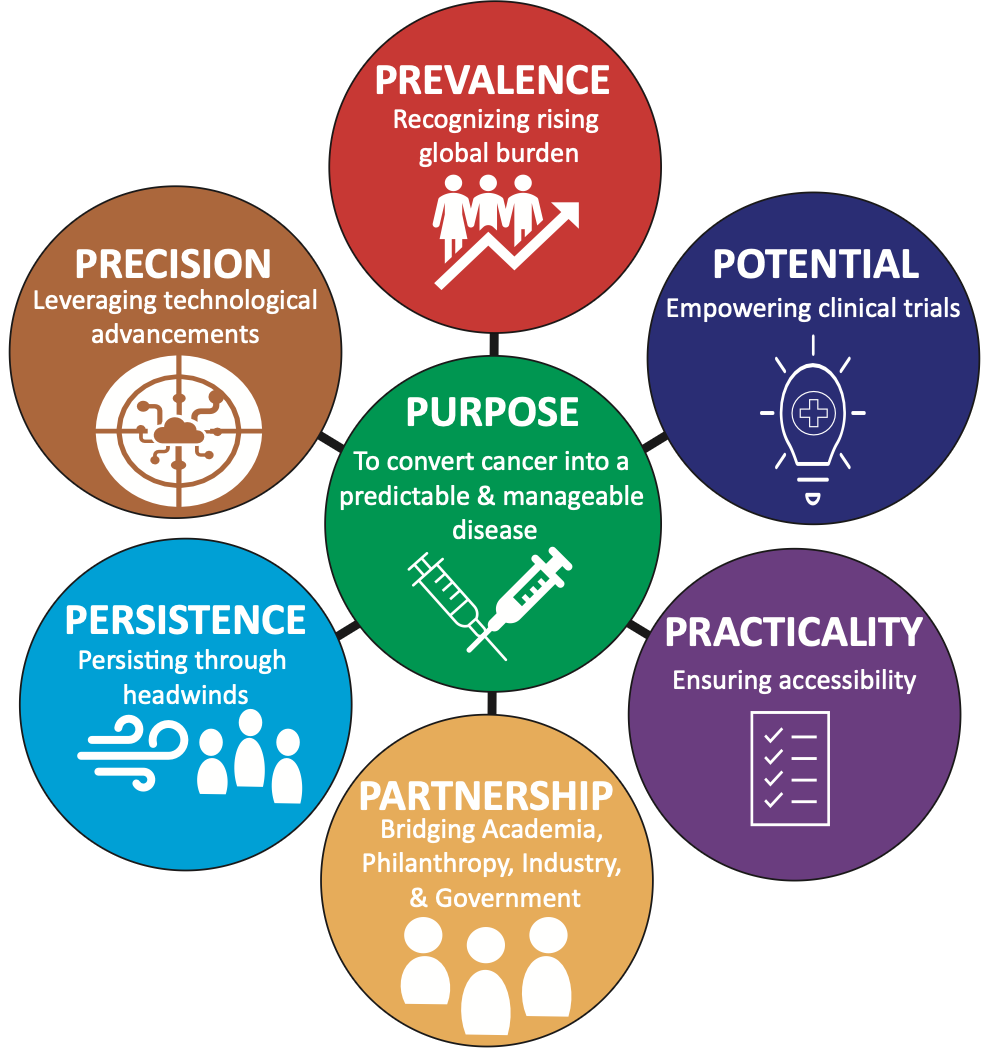
Sidiropoulos DN, Zaidi N, Yarchoan M, et al. 2026. doi:10.1158/2159-8290.CD-25-2061
Computational Immunology and Method Development
We develop open-source tools for multi-omics data tailored to tumor immune microenvironment and immune receptor repertoire analyses. These approaches are developed alongside our translational studies to connect immune organization and antigen specificity with treatment response.
Code and software: github.com/DSidLab
Funding
Our work is supported by: